
Shopping for clothes online saves time and offers more variety, but it requires careful preparation to avoid frustrating returns. The key is combining accurate body measurements with a close reading of each brand's size chart. This guide walks you through taking precise measurements and explains how to interpret them so you land on the right size the first time.
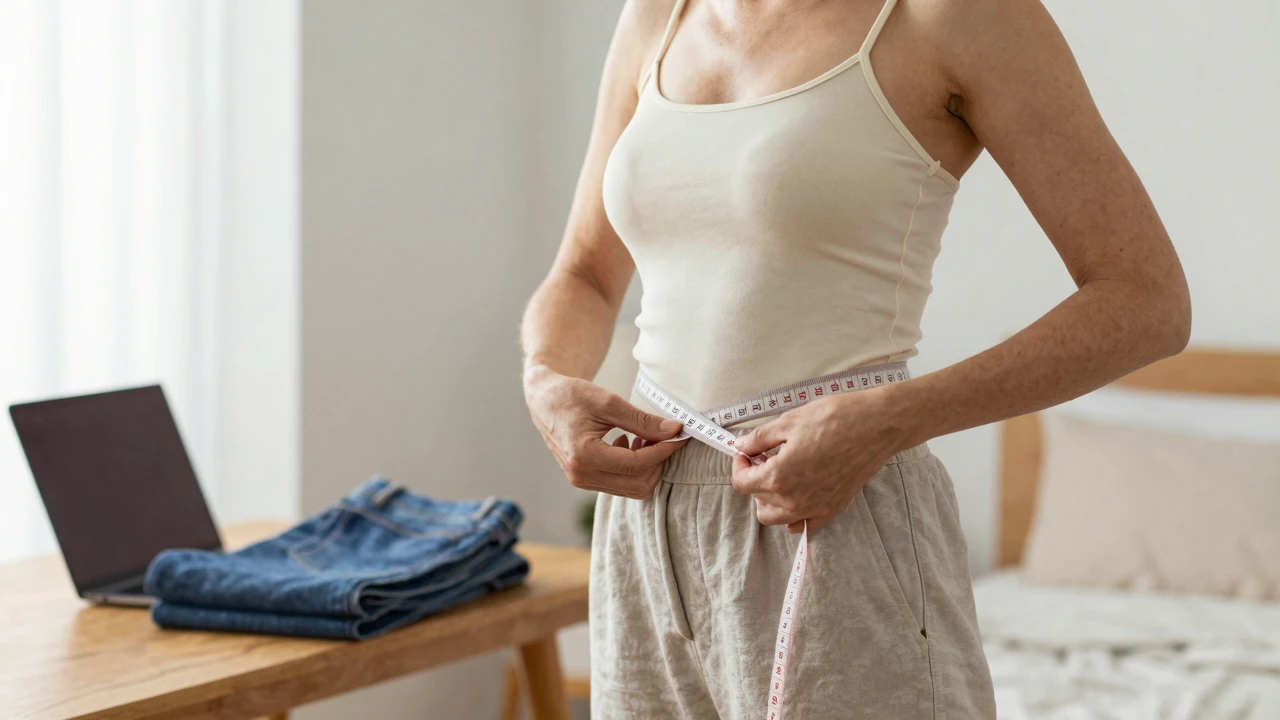
How to Take Body Measurements
You only need a soft, flexible tape measure and a clear space to stand or sit comfortably. Take all measurements over bare skin or very light, non-bulky clothing. Hold the tape level and snug without digging in or compressing fabric. Record every number in both inches and centimeters for easy comparison across charts.
Chest or Bust
Wrap the tape around the fullest part of your chest or bust, directly under the armpits and across the shoulder blades. Keep it parallel to the floor and at the same level on both sides. This measurement determines fit for tops, blouses, dresses, and jackets.
Natural Waist
Find the narrowest part of your waist, usually just above the navel. Place the tape there and keep it snug but comfortable, parallel to the floor. This is essential for pants, jeans, skirts, and fitted tops.
Hips
Measure around the fullest part of your hips and seat while standing with feet together. The tape should sit at the widest point, including the buttocks. This guides lower-body fit for trousers, leggings, and skirts.
Inseam
For pants and jeans, measure from the crotch seam (or the point where the leg opens at the bottom of your underwear) straight down the inside of your leg to the hem of your preferred shoe or heel height. This length matters for overall proportion and proper hem length.
Garment Measurements vs Body Measurements
Every size chart on retailer sites lists garment measurements, not your body size. These are taken flat on the finished clothing item, so the chest measurement is half the circumference, the waist is the actual width, and the hips reflect the garment's width at that point.
A men's shirt chart showing a 20-inch chest measurement means the garment is about 40 inches around when worn. Compare your body chest of 38 inches to that chart and you may need to size up if you prefer a relaxed fit. Always check the brand's specific chart because cut and fabric differences cause wide variation. Some brands publish both body and garment measurements; others only show garment sizes.
Reading Online Size Charts
Most charts include a grid or columns that let you match your body measurements to the recommended size. Look across the row where your numbers fall and note the garment measurements listed.
If your body chest is 36 inches but the chart shows a 38-inch garment size for medium, the top will fit comfortably. If the chart lists 34 inches for medium, you may need to size up for roomier drape or choose a brand known for generous cuts. Pay attention to the fit type listed (slim, regular, relaxed, oversized) and any additional notes about stretch or length.
Regional and International Size Conversions
Size systems differ by country, so charts often include multiple standards. A US women's size medium that fits a 36-inch bust might correspond to UK 10, EU 38, or IT 42. Use the brand's full chart rather than generic conversion tables, as each retailer adjusts for their specific fit.
Tall and Petite Sizing Variations
Standard sizes assume average proportions. Tall collections add extra length in sleeves, torso, and inseam. If you're 5'8" or taller, search for "tall" versions of the item on the same site. Petite options shorten lengths while keeping the same body measurements. Check the length column in the size chart to confirm inseam or overall height.
How Fabric Stretch and Fit Cuts Affect Your Size Choice
Fabric composition changes everything. High-stretch denim or ribbed knits can stretch 20-30 percent, so a size chart listing 34-inch hips might fit a 36-inch body. Look for "stretch" or "flex" in the product description and compare to the chart's relaxed fit row.
Fit cuts also vary: slim through the torso versus relaxed or oversized silhouettes. A brand's "oversized" chart may list garment measurements 4-6 inches larger than their standard line. Always read the fit description and any size chart notes about ease (roomy allowance). This prevents ordering a too-tight or too-loose item that won't work after washing.
Final Tips to Reduce Return Risk
Take your measurements once, early in the day when your body is at its most relaxed. Double-check against the exact brand and style you're considering, because one brand's medium can differ dramatically from another's. Use the retailer's return policy as a safety net but minimize returns by matching measurements to the garment measurements listed. When in doubt, size up one size for comfortable layering or stretchy fabrics, and buy from retailers with easy returns. Accurate measurements and chart comparison give you the best chance at the perfect fit without guesswork.